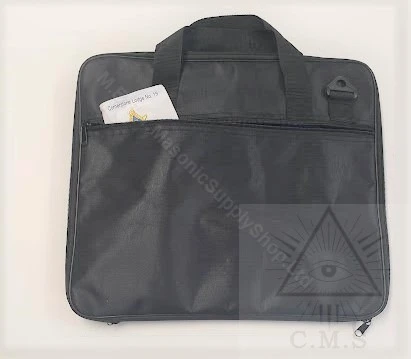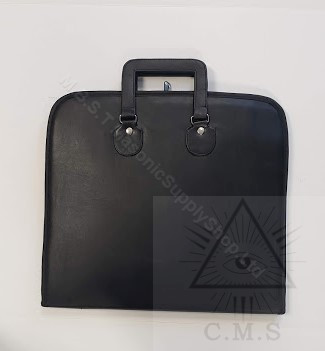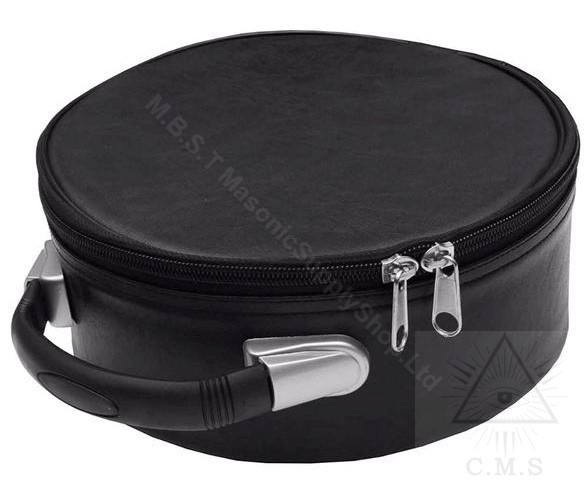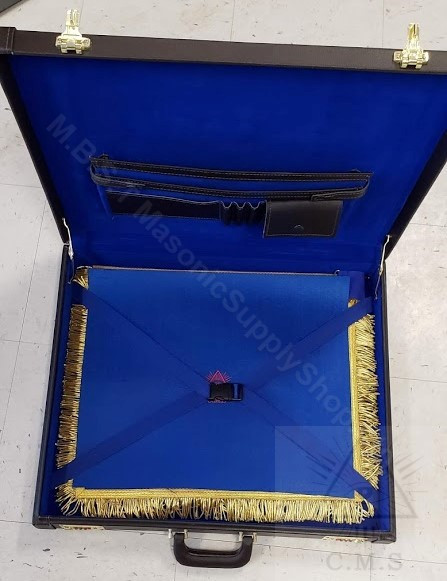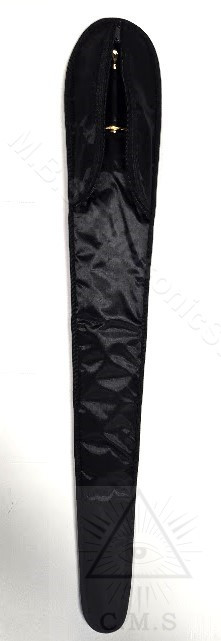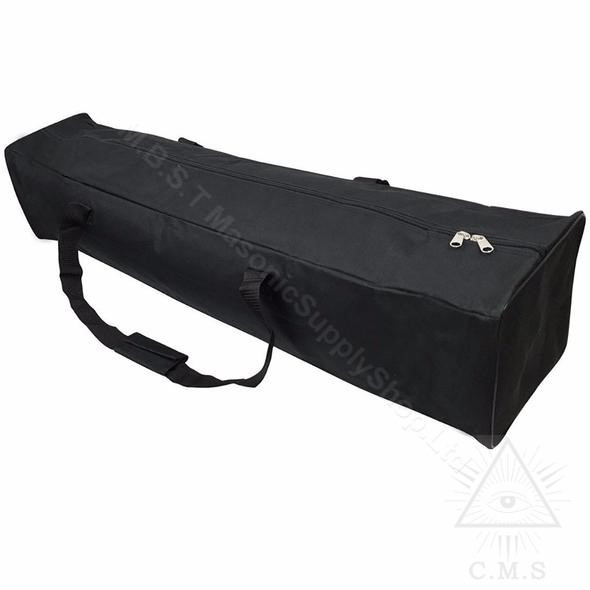
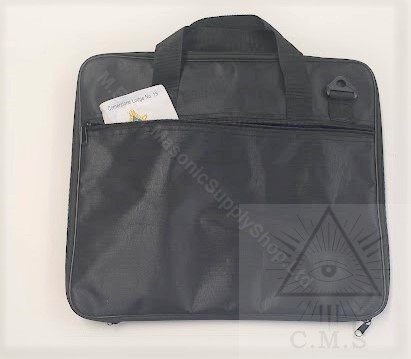
A Masonic case protects regalia between meetings and on the road. The right Masonic case depends on what you carry: an apron alone, an officer's collar and jewels, a hat, or a sword.
An apron case seems like a simple purchase until you get it home and find your apron has to be folded to fit, or there's nowhere to put your collar and jewels. A good case protects what is often the most expensive and most meaningful item a Mason owns, so it's worth choosing one that fits the way you actually use it.
This guide covers the questions to ask before you buy: what will go in it, how big it needs to be, and which features are worth paying for.
Start with what you'll carry
Make a list of everything you take to lodge. For many Brothers it looks something like this:
- your apron, or more than one if you visit other lodges or belong to other bodies,
- an officer's collar and jewel,
- breast jewels and a Lewis jewel,
- white gloves,
- a ritual book, the lodge summons and a pen.
A case built only for an apron won't hold a collar without crushing it. If you hold an office, or expect to, plan for the collar from the start.
Size by apron type
Apron sizes vary between jurisdictions and between degrees, so measure your own regalia rather than relying on a label. As a general pattern:
- Craft aprons (Entered Apprentice, Fellowcraft and Master Mason) are the smallest and fit standard cases.
- Past Master and lodge officer aprons are often the same size but may have heavier decoration, such as levels, tassels or embroidery, that needs depth as well as width.
- Grand Lodge and provincial or district aprons are frequently larger and more heavily decorated, with gold lace and bullion fringe. They usually need a larger case.
Measure the apron flat, including the flap and any tassels, then add a little room so it can slide in without catching.
Types of Masonic case
- Apron cases are flat cases sized to hold an apron without folding. They are the most common Masonic case.
- Regalia cases add room for a collar, jewels and gloves.
- Hat cases protect a fez, chapeau or Templar hat from crushing.
- Sword cases carry a ceremonial sword safely to and from lodge, Preceptory or parade.
Many Masons end up with more than one Masonic case as they join other bodies.
Materials
- Hard-shell or rigid cases give the best protection against crushing and are a good choice if you travel by car or air.
- Soft or padded cases are lighter and easier to carry, and fine for regular trips to your own lodge.
- Faux leather or leather-look finishes are popular because they wipe clean and look smart in the lodge room.
Whatever you choose, the inside should be smooth or lined so it doesn't snag fringe or embroidery.
Features worth having
- A flat compartment that holds the apron without folding.
- A separate pocket or divider for the collar, so the jewel doesn't press into the apron.
- Small pockets for jewels and gloves.
- A secure closure: a zip, latches or a lock.
- A handle or shoulder strap, depending on how far you carry it.
- A name tag or initials, which is useful in a crowded anteroom where every case looks the same.
Cases for more than one body
If you belong to the Royal Arch, Scottish Rite, Shrine or other bodies, you may be tempted by one large case for everything. That can work well, but a full case gets heavy. Many Brothers keep one case per body instead and pick up the one they need on the way out of the door.
Masonic Supply Shop offers a range of apron cases in different sizes. Their lodge and Grand Lodge regalia section is a good place to check the dimensions of the regalia you're carrying.
FAQ
Will a Grand Lodge apron fit a standard case?
Often not. Grand Lodge aprons tend to be larger and more heavily decorated. Measure yours and check the case's internal dimensions.
Can I store my apron in the case long term?
Yes, as long as the case is kept somewhere dry. See packing and storage tips.
Should I fold my apron?
Avoid it where possible. Folding creases the lambskin or leather and can kink fringe and bullion.